At Panortho Hospital, the athletes and active individuals can access comprehensive care for sports injuries and rehabilitation. The sports injury centre provides personalized treatment plans, advanced diagnostic support, preventive guidance, acute injury management, and rehabilitation services. With experienced sports injury specialists, Panortho Hospital in PCMC focuses on helping patients recover safely and return to their activities with confidence.
Common Sports Injuries
Some of the most common sports injuries include:
- Ankle sprains
- Muscle strains
- ACL and other knee ligament injuries
- Shoulder injuries
- Tennis elbow
- Meniscus tears
- Stress fractures
- Shin splints
- Tendonitis
Early diagnosis and treatment can prevent complications and speed up recovery.
Causes of Sports Injuries
Sports injuries often occur due to:
- Skipping warm-up exercises
- Overtraining without proper recovery
- Poor exercise or sports technique
- Muscle weakness or imbalance
- Inadequate flexibility
- Improper footwear or sports equipment
- Sudden increase in training intensity
- Fatigue and dehydration
Understanding these risk factors is the first step toward effective sports injury prevention.
Sports Injury Prevention
Most sports injuries can be prevented with a few simple habits:
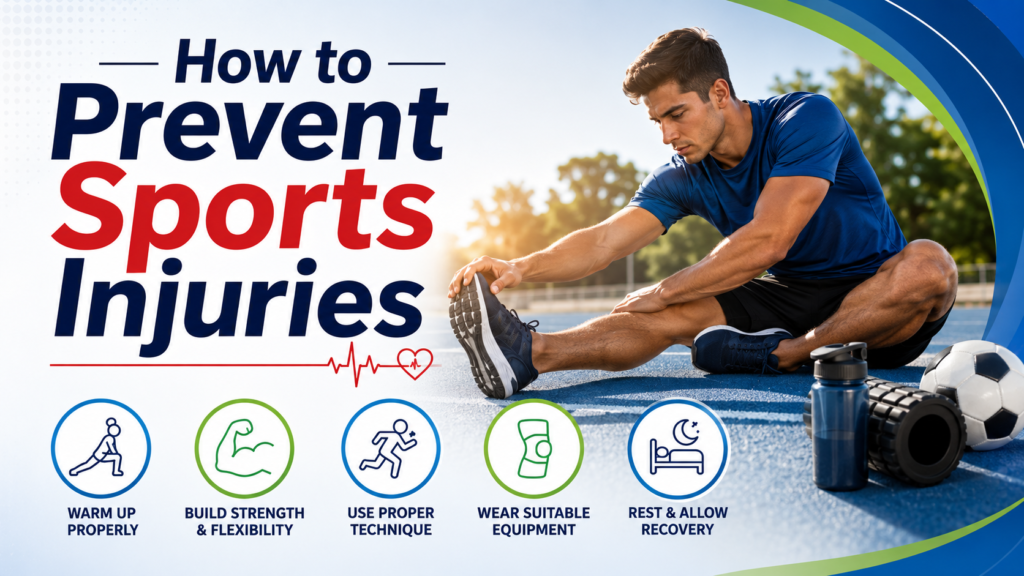
Warm Up Properly : Spend 10–15 minutes warming up with light cardio and dynamic stretches before any physical activity.
Build Strength and Flexibility: Regular strength training and stretching improve joint stability and reduce the risk of muscle and ligament injuries.
Use Proper Technique: Incorrect movement patterns place extra stress on muscles and joints. Learn the correct technique from qualified trainers.
Wear Appropriate Gear: Use sport-specific shoes and protective equipment that fit properly and replace worn-out footwear when needed.
Increase Training Gradually: Avoid sudden increases in workout intensity or duration. Gradual progression allows your body to adapt safely.
Stay Hydrated and Eat Well: Adequate hydration and a balanced diet rich in protein, calcium, and vitamin D support muscle recovery and bone health.
Listen to Your Body: Do not ignore persistent pain or swelling. Rest when needed and seek medical advice if symptoms continue.
Sports Injury Treatment and Rehabilitation
If an injury occurs, early treatment is essential for faster recovery and preventing long-term complications.
Treatment may include:
- Orthopedic evaluation
- X-rays or MRI (if required)
- Medication for pain and inflammation
- Sports injury physiotherapy
- Bracing or immobilization
- Arthroscopic surgery for ligament or cartilage injuries
- Personalized rehabilitation programs
Physiotherapy plays a vital role by improving strength, flexibility, balance, and helping athletes safely return to sports while reducing the risk of reinjury.
Why Choose Panortho Hospital for Sports Injury Treatment?
Panortho Hospital offers comprehensive care for sports injuries with a focus on faster recovery and long-term joint health.
Our services include:
- Experienced orthopedic and sports injury specialists
- Advanced diagnostic facilities
- Arthroscopic (keyhole) surgery
- Sports injury physiotherapy
- Personalized rehabilitation programs
- Comprehensive care for fractures, ligament, and joint injuries
Our goal is to help every patient return to their daily activities and sports safely and confidently.
Conclusion
Although sports injuries cannot always be prevented, proper warm-up, strength and flexibility training, correct techniques, appropriate protective equipment, and adequate recovery can significantly lower the risk.
If you experience persistent pain, swelling, instability, or difficulty moving after an injury, seek timely medical evaluation. PanOrtho Hospital, Nigdi, PCMC, provides comprehensive sports injury treatment in PCMC, including diagnosis, rehabilitation, and specialized orthopedic care. As a best orthopedic care center in PCMC, Pune, PanOrtho focuses on personalized treatment to help athletes and active individuals recover safely and return to their activities.
Frequently Asked Questions (FAQs)
1. What are the most common sports injuries?
Sprains, strains, fractures, ACL injuries, shoulder injuries, tendonitis, and meniscus tears are among the most common sports injuries.
2. How can sports injuries be prevented?
Warm up before exercise, strengthen your muscles, use proper technique, wear protective gear, stay hydrated, and allow adequate recovery between training sessions.
3. Who is the best sports injury doctor in PCMC Pune?
Panortho Hospital has experienced orthopedic surgeons and sports injury specialists providing comprehensive care for sports-related injuries.
4. What is the role of physiotherapy in sports injuries?
Physiotherapy helps reduce pain, restore strength and flexibility, improve mobility, and supports a safe return to sports.
5. When should I visit a sports injury clinic?
Seek medical attention if pain, swelling, joint instability, or difficulty moving persists after an injury.
6. How long does recovery from a sports injury take?
Recovery varies depending on the injury. Minor injuries may heal in a few weeks, while ligament injuries or fractures may take several months with rehabilitation.
7. Does Panortho Hospital provide rehabilitation for sports injuries?
Yes. Panortho Hospital offers personalized sports injury rehabilitation and physiotherapy programs to help patients recover safely.
8. Can sports injuries recur after treatment?
Yes. Incomplete rehabilitation or returning to sports too early can increase the risk of reinjury. Following your doctor’s advice and rehabilitation plan is essential.